ICR Symposia

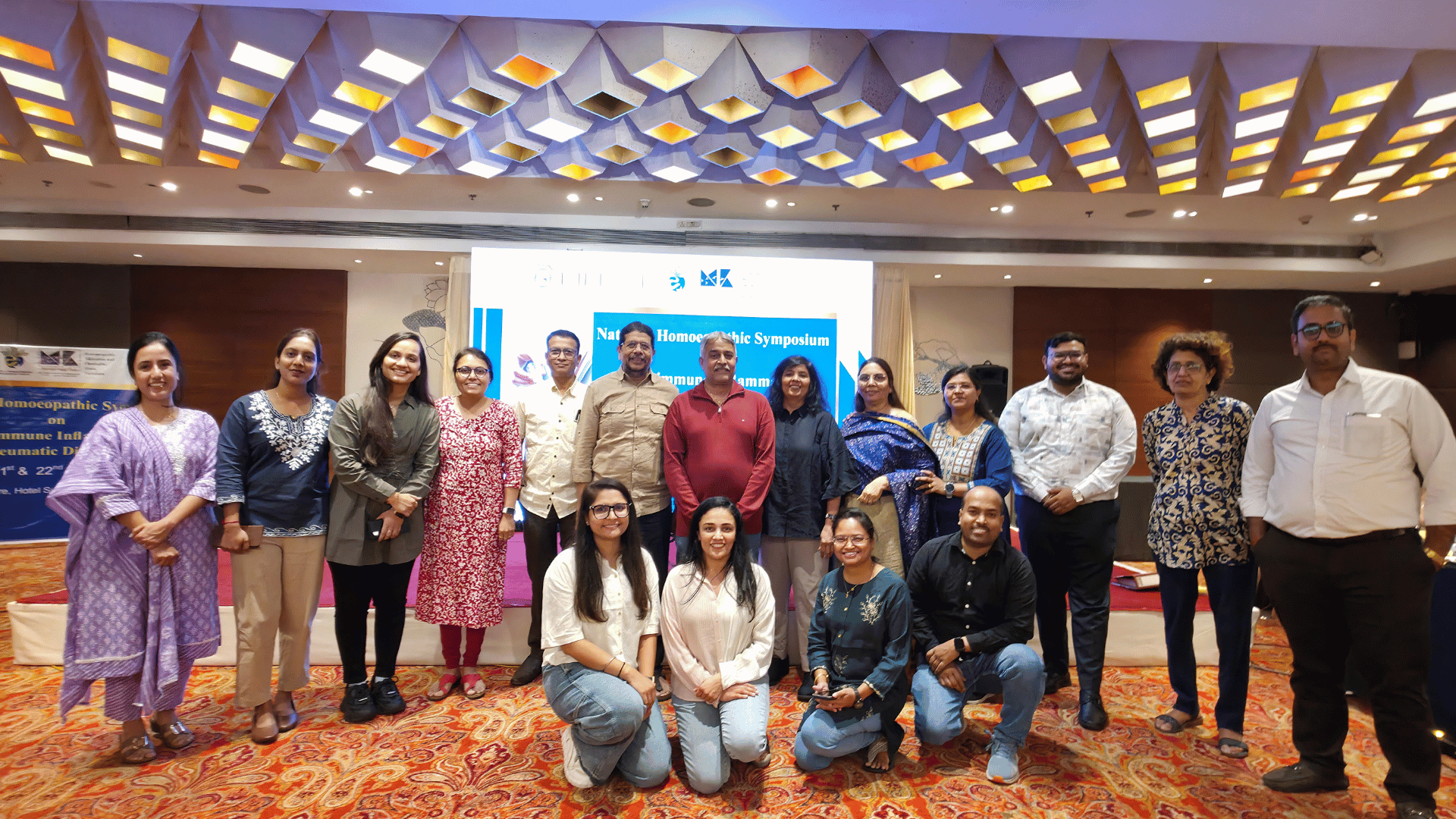
ICR Symposia have been organised regularly since 1980 as Continuing Homoeopathic Educational Programmes. Initially, they were for all those trained in ICR Methodology; later, they have also served as a platform to initiate newly admitted Post-graduate students to the essence of ICR Educational Practice. Generally, they have been based on subjects with the choice revolving around clinical conditions (e.g. Anxiety, Rheumatic disorders) or Homoeopathic concepts (Remedy Response, Suppression), Remedies (Kali bich, Calcarea fluor) or Themes (Remedies of Conscience, Models of the Mind in Clinical practice) which have a strong learning potential. 

MLDT ICR Symposium Mumbai Vadodara Pune46
MLDT ICR Symposium Mumbai Vadodara Pune41

ICR Symposia have always been an action replay of clinical events with marked learning potential. Successfully treated and well-documented cases on the chosen theme are scrutinised by the Director of the Symposium and the Symposium Committee. The learning objectives for each case are defined on the basis of the experience of the treating team. Together, they lead to the broad objectives for the Symposium. These generally add to knowledge or a deep emotional insight. They may include demonstration of skills, with at least one clinical experience demonstrating the challenges of Case Taking or Management. The actual observer of the case (a special area developed by the ICR / MLD Trust) makes a valuable contribution to the presentation.

All the cases (soft copy as well as hard copy) are distributed to the prospective participants well in advance. A detailed reference reading list is provided to aid the participant to help in the preparation. The case material carries instructions for working out the cases, which have the capacity to expand the existing knowledge and establish new correlations and insights. 

The treating physician/observer becomes the Guide/co-guide for the case and receives the workings. They have to glean the learning issues raised in the workings, define these and prepare a learning action plan which will deliver the objectives. A pre-Symposium meeting discusses these issues with all the guides, and the timetable is evolved, taking care that the Objectives of the Symposium are achieved in a satisfactory way.

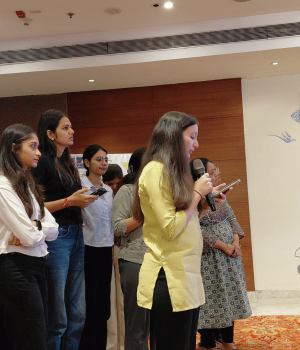
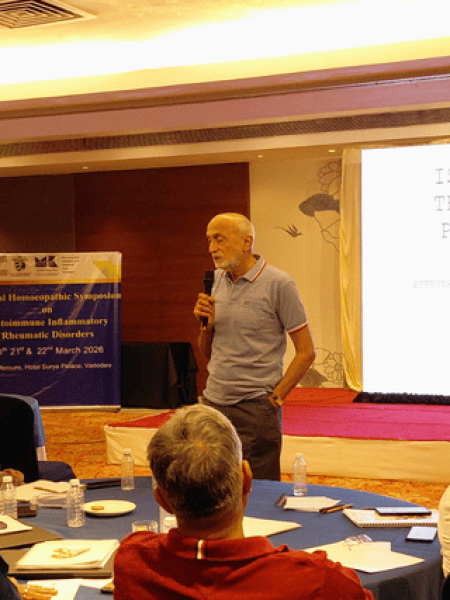
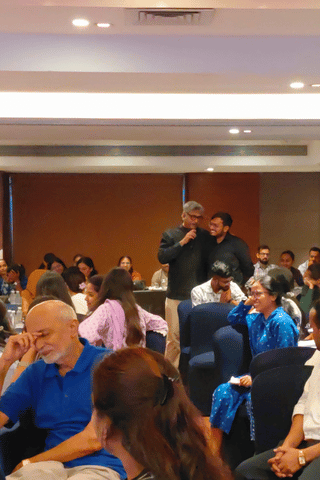
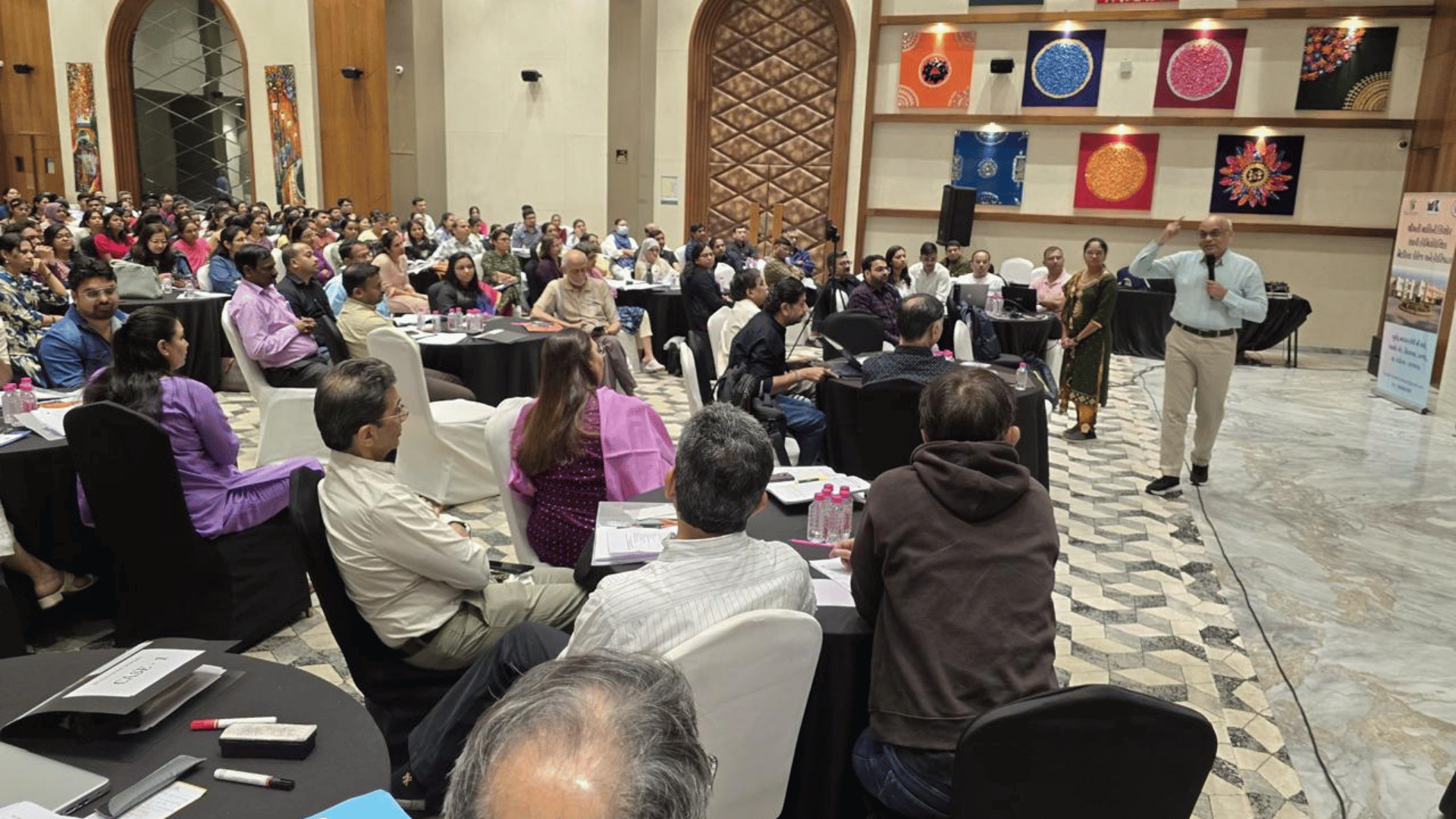
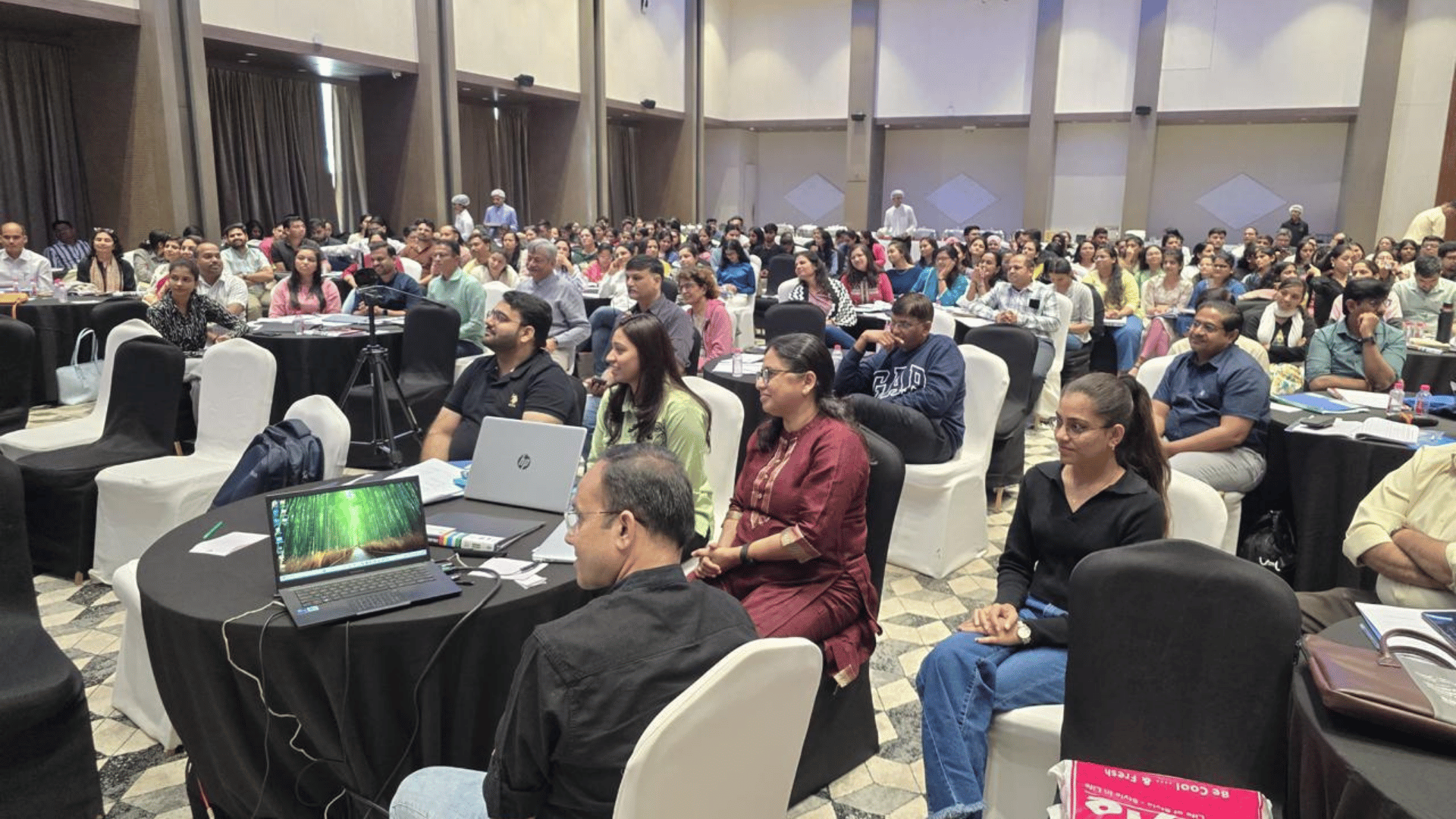
The learning event extends over 3 days. It’s a ‘free-for-all’ – all categories of participants are encouraged to participate, none being considered too junior or too senior! All discussion demands adherence to norms of healthy dialogue, viz. openness to receive varying vantage points, evidence-based arguments and readiness to change when truth shows its colours! The guide generally concludes the session by sharing the experience of managing the case and the learning from the entire experience of presenting it at the learning venue.

ICR Symposia have always been an action replay of clinical events with marked learning potential. Successfully treated and well-documented cases on the chosen theme are scrutinised by the Director of the Symposium and the Symposium Committee. The learning objectives for each case are defined on the basis of the experience of the treating team. Together, they lead to the broad objectives for the Symposium. These generally add to knowledge or a deep emotional insight. They may include demonstration of skills, with at least one clinical experience demonstrating the challenges of Case Taking or Management. The actual observer of the case (a special area developed by the ICR / MLD Trust) makes a valuable contribution to the presentation.

The crucial aspect

ICR Symposia is a 360° evaluation of each session/case. All participants submit a written assessment of each guide’s, group’s and self’s performance in the quest for learning. These submissions are analysed and the feedback is the starting of the next day’s session.
Thus the symposia are a great feast of rich clinical experience and its analysis, which ultimately leads to the pushing forth of the frontiers of knowledge in all areas.

Symposia Are Held Thrice a Year

The time varies depending upon a number of local conditions. But generally the months would be March, September and December. 

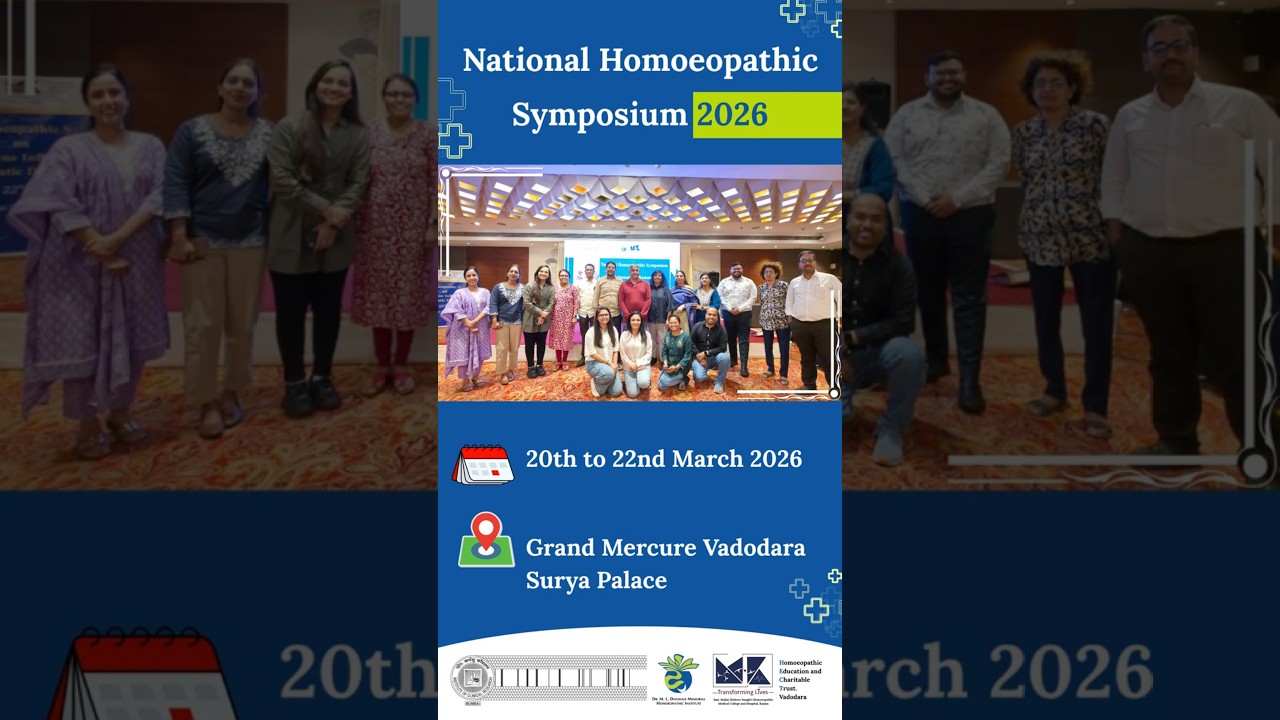
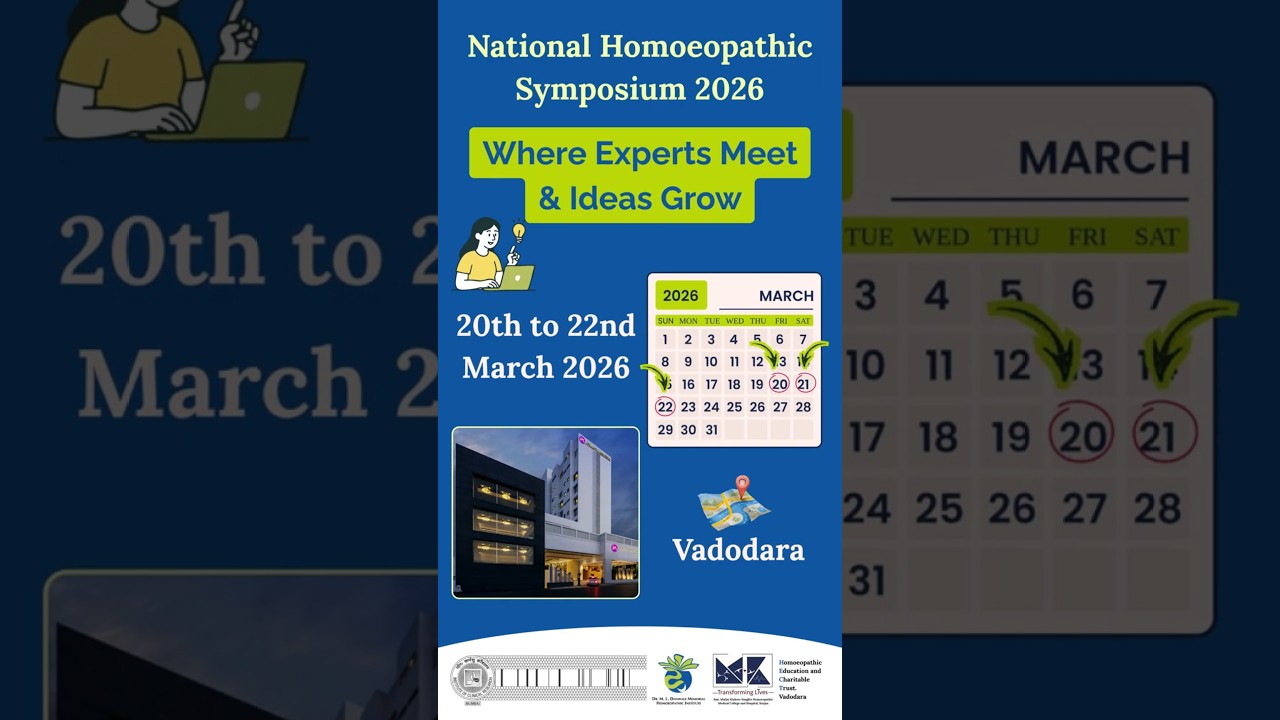
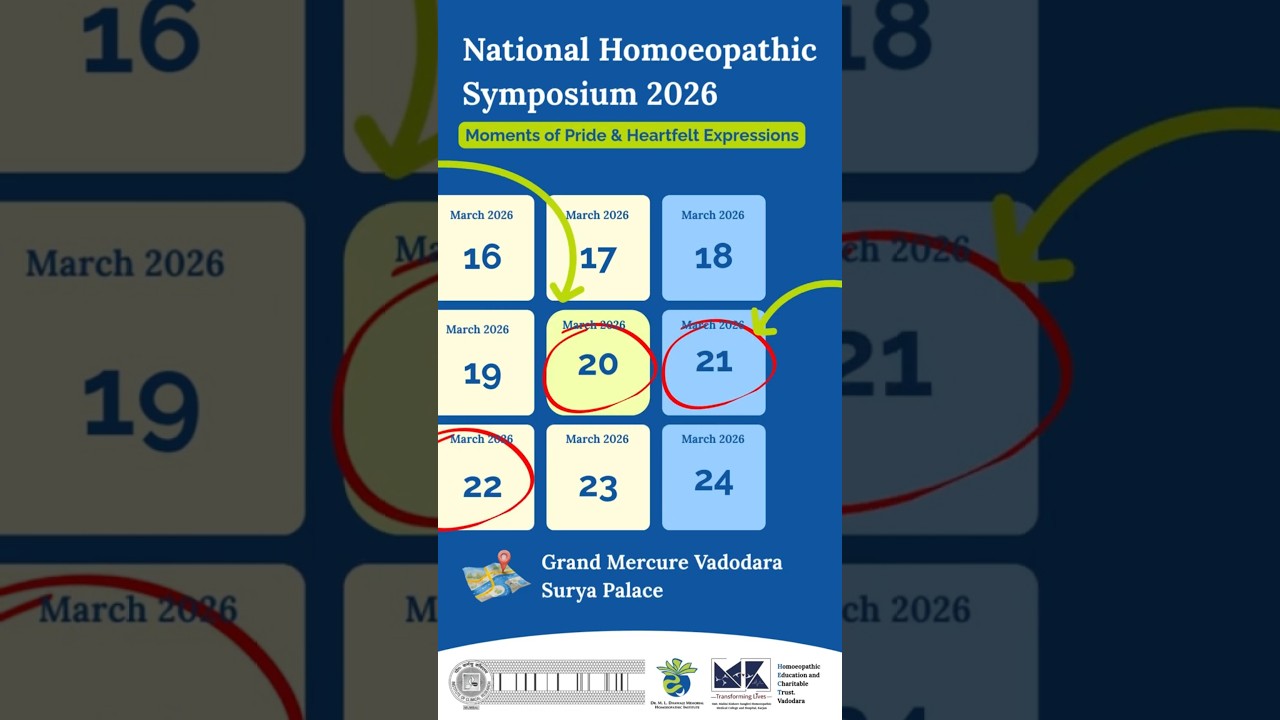
ICR Symposium Vadodara March 2026

11 Videos